Thursday, December 21, 2023

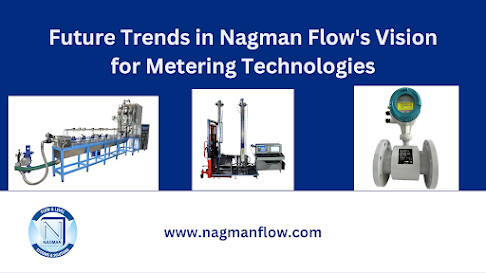
Future Trends in Nagman Flow's Vision for Metering Technologies

As we embark on this exploration of the future of metering, Nagman Flow extends a warm welcome. Our journey into the innovative realm of calibration and testing technologies is a testament to our commitment to excellence and precision in metering solutions. Join us as we delve into the pioneering advancements that Nagman Flow brings to the forefront, redefining the standards of accuracy in the world of metering.

With a commitment to excellence, Nagman Flow has been instrumental in shaping the future of metering through cutting-edge solutions that encompass water meter test benches with gravimetric capabilities, advanced test benches for water meters, gas meter calibration systems, level transmitters, and ultrasonic water meter test systems.

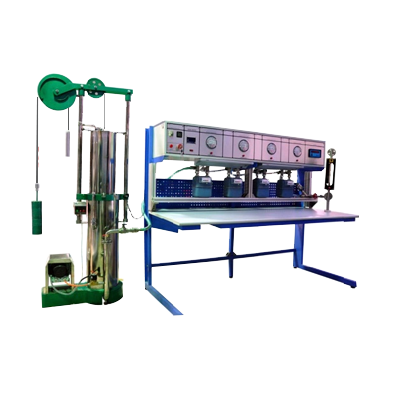
Watermeter Test Bench with Gravimetric

Nagman Flow redefines the calibration landscape with water meter test benches that employ gravimetric precision. The gravimetric method ensures unparalleled accuracy by measuring flow rates through the precise control of mass. This technology guarantees reliability in water meter calibration, offering a benchmark for the industry.

Test Bench for Water Meter

As the demand for water meter accuracy intensifies, Nagman Flow responds with state-of-the-art test benches designed to meet and exceed industry standards. These advanced test benches incorporate cutting-edge technology, providing a comprehensive solution for calibrating a diverse range of water meters. Nagman Flow's commitment to innovation ensures that these test benches remain at the forefront of accuracy and efficiency.

Gas Meter Calibration System

In the ever-expanding realm of gas metering, calibration is paramount. Nagman Flow's gas meter calibration systems offer a meticulous approach to ensuring the precision of gas meters. Leveraging advanced technologies, these systems adhere to the highest standards, guaranteeing reliability in gas meter measurements.

Level Transmitters: Navigating Precision

Navigating the intricacies of level measurement is simplified with Nagman Flow's level transmitters. These devices offer a new level of precision, ensuring accurate and reliable measurements. Whether in industrial settings or other applications, Nagman Flow's level transmitters stand as a testament to the brand's commitment to excellence.

Ultrasonic Water Meter Test Systems

Ultrasonic technology has revolutionized water metering, and Nagman Flow is at the forefront of this transformation. The ultrasonic water meter test systems from Nagman Flow deliver a non-intrusive and highly accurate method for calibrating and testing ultrasonic water meters, ensuring the reliability of water measurements in a variety of applications.

In the journey towards the future of metering, Nagman Flow remains a stalwart, consistently introducing innovations that redefine industry standards. From water meter test benches with gravimetric precision to advanced gas meter calibration systems, level transmitters, and ultrasonic water meter test systems, Nagman Flow's contributions are shaping the landscape of metering technologies.

As we look ahead, Nagman Flow stands as a beacon of reliability, pushing the boundaries of what is possible in metering calibration and testing. The future of metering is indeed an exciting frontier, and with Nagman Flow leading the way, we can expect a future where precision, accuracy, and innovation converge to create a new standard in the world of metering technologies.


Friday, November 24, 2023

The Basics of Calibration Systems: Understanding Water, Level, Mobile Flow, Liquid, Gas, and Process Calibration

Calibration systems play a pivotal role in ensuring accurate measurements across various industries. In this comprehensive guide, we will delve into the basics of calibration, shedding light on water meter calibration systems, level calibration systems, mobile flow calibration systems, liquid flow calibration systems, gas meter calibration systems, and process flow calibration systems.

What is Calibration?

Calibration is the process of adjusting and verifying the accuracy of a measuring instrument to ensure its readings align with a standard reference. This practice is crucial for maintaining precision and reliability in various applications where measurements are essential.

Water Meter Calibration System


Water meter calibration is paramount for utilities and municipalities. Accurate water measurements are critical for billing purposes and resource management. Calibration ensures that water meters provide precise readings, contributing to fair billing and efficient water resource allocation.

Level Calibration System

Level calibration systems are employed to ensure the accurate measurement of levels in tanks, reservoirs, and other containers. This is vital in industries such as manufacturing, where precise levels are necessary for maintaining production processes and preventing overflows or shortages.

Mobile Flow Calibration System

Mobile flow calibration systems bring calibration capabilities to the field, allowing for on-the-go adjustments and verifications. This is particularly beneficial for industries that require measurements in remote locations or where instruments are frequently moved.

Mobile flow calibration is the practice of calibrating flow measurement devices directly at the location where they are used. This ensures that the instruments provide accurate readings in their specific operating environments, contributing to reliability in various applications.

Liquid Flow Calibration System

Liquid flow calibration systems focus on ensuring accurate measurements in systems dealing with liquids. Whether in chemical processing, pharmaceuticals, or food and beverage industries, precise liquid flow measurements are essential for quality control and process optimization.

Gas Meter Calibration System

Gas meter calibration is critical in applications where precise gas measurements are required, such as in the energy sector. Accurate readings ensure proper billing, safety, and compliance with regulatory standards.

Process Flow Calibration System

Process flow calibration is integral to industries that rely on controlled processes, such as manufacturing and chemical processing. Calibration ensures that instruments accurately measure and control the flow of materials, contributing to consistent product quality and operational efficiency.

Importance of Calibration

  1. Accuracy and Reliability: Calibration ensures that measuring instruments provide accurate and reliable readings, reducing the risk of errors in various applications.

  2. Compliance: Many industries are subject to regulatory standards that require accurate measurements. Calibration helps organizations comply with these standards.

  3. Cost Efficiency: Accurate measurements lead to optimized processes and resource utilization, contributing to cost efficiency in operations.

  4. Preventive Maintenance: Regular calibration can identify and address potential issues before they impact operations, reducing downtime and maintenance costs.

  5. Quality Assurance: In industries where product quality is paramount, calibration plays a crucial role in maintaining consistent and high-quality outputs.

In conclusion, calibration systems are the backbone of accurate measurements across diverse industries. Whether it's water meter calibration, level calibration, mobile flow calibration, liquid flow calibration, gas meter calibration, or process flow calibration, the precision ensured by these systems is fundamental to efficient operations and compliance with standards. Understanding the basics of calibration is essential for anyone working with measuring instruments, emphasizing the importance of this practice in achieving accuracy and reliability in various applications.


Thursday, August 17, 2023

Beyond Numbers: The Intricacies of Gas Meter Calibration and Its Impact


In the realm of energy management, precision and accuracy play a pivotal role in ensuring efficient consumption and billing. One essential aspect of this is gas meter calibration – a process that goes beyond mere numbers and holds the key to optimized energy usage. Delving into the intricacies of gas meter calibration unveils a world where precision meets practicality, impacting not only utility companies but also consumers and the environment.

The Science Behind Calibration: Gas meter calibration is a meticulous process involving the comparison of a gas meter's measurements to a known, standardized value. This process is necessary due to the potential drift that meters can experience over time, impacting their accuracy. Highly skilled technicians meticulously adjust the gas meter to align with the known value, guaranteeing accuracy in measuring gas consumption.

The Accuracy-Reliability Connection: Accuracy in gas meter calibration is synonymous with reliability. A calibrated gas meter ensures that the billed amount corresponds closely to the actual gas consumed. This accuracy benefits both utility companies and consumers. For companies, it means fair billing and efficient resource allocation. For consumers, it means transparent billing and the ability to monitor and manage their energy consumption effectively.

Impact on Energy Efficiency: Gas meter calibration is a critical player in the realm of energy efficiency. Accurate measurements empower consumers to make informed decisions about their energy consumption patterns. When discrepancies are minimized, energy waste is reduced, contributing to a greener and more sustainable future. Moreover, accurate billing encourages responsible energy use, promoting conscious consumption.

Safety Considerations: The impact of gas meter calibration goes beyond economics. Accurate measurements have safety implications, particularly in scenarios involving hazardous gases. A properly calibrated gas meter can alert users to even the slightest leaks, preventing potential dangers. The calibration process, in essence, safeguards lives and property by ensuring that gas usage is precisely measured.

The Path to Technological Advancements: As technology evolves, so does gas meter calibration. Advancements such as smart meters are transforming the calibration landscape. Smart meters can be calibrated remotely, reducing the need for manual intervention and enabling real-time monitoring of gas consumption. This shift not only enhances accuracy but also simplifies the management of gas resources.

Beyond its technical complexities, gas meter calibration emerges as a cornerstone of accuracy, transparency, and efficiency. It influences fair billing, encourages responsible energy consumption, and contributes to safety. As the world continues to prioritize sustainability and precision, gas meter calibration will remain a driving force in achieving these goals. In a world where accurate measurement matters, gas meter calibration stands as a silent but powerful enabler of progress.


Thursday, July 13, 2023

Exploring the Benefits of Water Meter Calibration Systems


Water meter calibration systems offer a multitude of benefits when it comes to accurate water measurement and efficient resource management. Let's dive into the advantages and explore why these water meter calibration systems are crucial for effective water management.


Water meter calibration systems ensure the accuracy of water meters, allowing for precise measurement of water consumption. By calibrating the meters, any inaccuracies or drift in measurements can be identified and corrected, ensuring fair and accurate billing for consumers. This promotes transparency and builds trust between utility providers and customers.

Accurate water measurement is essential for billing accuracy. With these level calibration systems, utility companies can generate precise bills based on actual water usage. This prevents underbilling or overbilling, resulting in fair and equitable charges for consumers. It also helps identify any anomalies or discrepancies in consumption patterns that may indicate leaks or abnormal water usage.

Leak detection is another crucial benefit of Mobile flow calibration systems. By accurately monitoring flow rates, these systems can detect sudden fluctuations or continuous flow when there shouldn't be any. This early detection helps identify leaks or potential issues in the water distribution network, enabling prompt repairs and preventing water loss.

Efficient resource management is greatly enhanced through Mobile flow calibration. By accurately measuring water consumption, utilities, and consumers can monitor and track usage patterns effectively. This enables the identification of areas for conservation and the implementation of strategies to optimize water usage. It promotes responsible water management practices and contributes to sustainability efforts.

Water meter calibration systems also help utility companies comply with regulatory standards and requirements. Governments and regulatory bodies often set guidelines for water meter accuracy to protect consumer rights and ensure fair practices. Regular calibration ensures that utility providers meet these standards, avoiding penalties and legal issues.

In terms of the calibration systems themselves, mobile flow calibration systems provide the flexibility of on-site calibration, eliminating the need to transport meters to calibration facilities. This saves time, reduces downtime, and allows for efficient calibration at various locations. It is particularly beneficial for industries with multiple installations or remote sites.

In conclusion, water meter calibration systems offer numerous benefits, including accurate measurement, fair billing, leak detection, efficient resource management, regulatory compliance, and the flexibility of mobile flow calibration. Investing in these systems is crucial for effective water management, sustainability, and maintaining customer satisfaction. By ensuring accurate measurements and promoting responsible usage, water meter calibration systems contribute to the efficient and responsible stewardship of our valuable water resources.

Monday, June 19, 2023

Ultrasonic Flow Meters: Unleashing the Power of Non-Invasive Fluid Measurement

 Introduction:

When it comes to non-invasive and highly accurate flow measurement, ultrasonic flow meters are at the forefront of technology. These advanced devices utilize ultrasonic waves to precisely measure the flow rate of liquids and gases without the need for direct contact or disruption of the flow path. In this blog post, we will explore the fascinating world of ultrasonic flow meters, diving into their working principles, advantages, applications, and considerations for optimal performance. Let's embark on a journey to discover the immense potential of ultrasonic flow meters in fluid measurement!


1. Understanding Ultrasonic Flow Meters:

In this section, we will introduce ultrasonic flow meters, providing an overview of their structure, components, and basic working principles. We will explain how these meters utilize ultrasonic waves, both in transit-time and Doppler-based configurations, to measure the velocity and volumetric flow rate of fluids.


2. Advantages of Ultrasonic Flow Meters:

Ultrasonic flow meters offer numerous advantages that make them a preferred choice in a wide range of applications. We will discuss their non-invasive nature, high accuracy, wide flow range capability, versatility in measuring various fluid types, minimal pressure drop, low maintenance requirements, and compatibility with both clean and dirty fluids.


3. Transit-Time vs. Doppler Ultrasonic Flow Meters:

Ultrasonic flow meters can be categorized into two main types: transit-time and Doppler-based. We will explore the working principles, advantages, and limitations of each type. This section will provide a deeper understanding of how these technologies operate and the scenarios in which they excel.


4. Working Principles of Transit-Time Ultrasonic Flow Meters:

For transit-time flow meters, we will delve into their working principles in detail. We will explain how ultrasonic pulses are transmitted through the fluid and the impact of fluid velocity on their transit times. We will also discuss how these measurements are used to calculate the volumetric flow rate accurately.


5. Working Principles of Doppler Ultrasonic Flow Meters:

Doppler-based ultrasonic flow meters work on a different principle, utilizing the shift in frequency caused by the movement of particles or bubbles within a fluid. We will explore how this technology measures the velocity of the fluid and the considerations for accurate flow rate determination.


6. Applications of Ultrasonic Flow Meters:

Ultrasonic flow meters find widespread use across various industries. In this section, we will explore their applications in water and wastewater management, HVAC systems, oil and gas, chemical processing, pharmaceuticals, and more. We will highlight specific use cases to showcase the versatility and effectiveness of ultrasonic flow meters in different environments.


7. Considerations for Optimal Performance:

To ensure the optimal performance of ultrasonic flow meters, several factors must be considered. We will discuss factors such as fluid characteristics, pipe diameter, installation requirements, temperature and pressure limitations, and signal quality. Understanding these considerations will help maximize the accuracy and reliability of ultrasonic flow measurements.


8. Installation and Maintenance Best Practices:

Proper installation and regular maintenance are crucial for achieving accurate and consistent results with ultrasonic flow meters. We will provide guidelines for installation, including sensor placement, pipe preparation, and avoiding potential sources of interference. Additionally, we will discuss routine maintenance procedures, calibration, and troubleshooting tips.


9. Future Trends and Innovations:

The field of ultrasonic flow meters continues to evolve with advancements in technology. In this section, we will explore the latest trends and innovations, such as clamp-on sensors, wireless connectivity, real-time data analysis, and improved accuracy through advanced signal processing. We will discuss how these developments enhance the functionality and usability of ultrasonic flow meters.


10. Conclusion:

Ultrasonic flow meters revolutionize fluid measurement with their non-invasive and highly accurate capabilities. By understanding their principles, advantages, applications, and best practices, you can harness the full potential of ultrasonic flow meters and unlock new possibilities in fluid measurement. Whether in industrial processes, environmental monitoring, or energy management, ultrasonic flow meters are poised to make a significant impact on various industries.

Friday, June 9, 2023

Advancements in Water Meter Calibration Systems: Ensuring Accurate Measurements

 Introduction:

Water meters play a crucial role in accurately measuring water consumption for residential, commercial, and industrial purposes. To ensure precise readings, it is essential to regularly calibrate and test these meters. In recent years, significant advancements have been made in the field of water meter calibration systems, leading to the development of fully automated and highly efficient test benches. This blog explores the latest innovations in water meter calibration systems, including gravimetric test benches, ultrasonic test systems, and the Nagman water meter test bench. Additionally, we will delve into the importance of calibration for water meters and liquid flow measurement accuracy.


1. Fully Automated Water Meter Test Benches:

In the quest for enhanced efficiency and accuracy, fully automated water meter test benches have emerged as game-changers. These advanced systems eliminate human errors and provide a comprehensive testing process for water meters. By automating various functions such as water flow control, data recording, and analysis, these test benches streamline the calibration process and improve overall productivity.


2. Gravimetric Water Meter Test Bench with Weighing Scales:

Gravimetric test benches employ weighing scales to measure the water flow through the meter. Bulk water meter test bench By comparing the weight of the water before and after passing through the meter, these systems provide precise calibration results. The gravimetric approach offers high accuracy and repeatability, making it ideal for calibration applications where precision is paramount.


3. Ultrasonic Water Meter Test Systems:

Ultrasonic technology has revolutionized water meter calibration. Ultrasonic test systems utilize sound waves to measure water flow, eliminating the need for moving parts. Test bench for water meter These non-intrusive systems offer advantages such as reduced maintenance, increased durability, and enhanced accuracy. Ultrasonic water meter calibration system/rig We explore the benefits of ultrasonic water meter test systems and how they contribute to reliable calibration results.


4. The Nagman Water Meter Test Bench:

Nagman, a leading provider of calibration solutions, offers a state-of-the-art water meter test bench. Designed with precision and efficiency in mind, the Nagman test bench incorporates advanced features such as automated control, real-time data monitoring, and multiple meter compatibility. We delve into the key features of this innovative test bench and its contribution to accurate water meter calibration.


5. Importance of Calibration for Water Meters:

Calibration is vital for maintaining the accuracy and reliability of water meters. Over time, factors such as wear and tear, environmental conditions, and meter drift can affect the meter's performance. Regular calibration ensures that meters provide precise measurements, preventing underbilling or overbilling. We explore the calibration process and its significance in ensuring fair and accurate water consumption readings.


6. Liquid Flow Calibration:

Apart from water meter calibration, liquid flow calibration holds importance in various industries, including oil and gas, chemical, and pharmaceutical. Accurate measurement of liquid flow is crucial for process control, quality assurance, and regulatory compliance. We discuss the challenges associated with liquid flow calibration and the technologies employed to achieve high accuracy in these applications.


Conclusion:

Advancements in water meter calibration systems have significantly improved the accuracy and efficiency of the calibration process. Fully automated test benches, gravimetric systems, ultrasonic technology, and the Nagman water meter test bench are revolutionizing the way water meters are calibrated. Regular calibration and maintenance are essential to ensure the accurate measurement of water consumption, which is crucial for billing, resource management, and sustainability. With continued research and development, water meter calibration systems will continue to evolve, guaranteeing precise measurements and efficient water management for years to come.


Monday, May 29, 2023

Flow Meters: Measuring the Pulse of Fluids


From monitoring industrial processes to managing energy consumption, flow meters play a crucial role in a wide range of applications. These ingenious devices provide accurate measurements of the flow rate and volume of fluids, allowing us to understand, control, and optimize various processes. Whether it's monitoring the flow of water through a pipeline or gauging the consumption of fuel in a vehicle, flow meters are indispensable tools in numerous industries. In this article, we will explore the basics of flow meters, their types, and their applications.


What is a Flow Meter?

A flow meter is a device designed to measure the rate of flow of a fluid, which can be a gas or a liquid. It quantifies the volume or mass of the fluid passing through a specific point within a given period. Flow meters are utilized in a broad range of industries such as oil and gas, water management, pharmaceuticals, chemical processing, food and beverage, and more. They enable process optimization, ensure product quality, and aid in regulatory compliance.


Types of Flow Meters:

1. Differential Pressure (DP) Flow Meters: This type of flow meter operates on the principle of pressure drop across a constriction in the flow path. It includes orifice plates, venturi tubes, and flow nozzles. By measuring the pressure difference, the flow rate can be determined using the Bernoulli's principle.


2. Positive Displacement (PD) Flow Meters: PD flow meters measure fluid flow by dividing it into discrete volumetric units. They capture a specific volume of fluid and then transfer it to the outlet. Examples include piston meters, oval gear meters, and nutating disc meters. PD flow meters are highly accurate but may cause pressure drop and have moving parts that require regular maintenance.


3. Turbine Flow Meters: These meters utilize a rotor with turbine blades placed in the fluid flow. The rotor rotates as the fluid passes through, and the speed of rotation is proportional to the flow rate. Turbine flow meters are suitable for measuring clean, low-viscosity fluids and are widely used in industries such as water treatment and HVAC.


4. Electromagnetic Flow Meters: Also known as magmeters, electromagnetic flow meters operate based on Faraday's law of electromagnetic induction. They use a magnetic field and electrodes to measure the voltage generated as the conductive fluid passes through the meter. Magmeters are highly accurate, have no moving parts in contact with the fluid, and are ideal for measuring the flow of conductive liquids.


5. Ultrasonic Flow Meters: Ultrasonic flow meters employ sound waves to determine the velocity of a fluid. By measuring the time it takes for an ultrasonic signal to travel upstream and downstream through the fluid, the flow rate can be calculated. They are suitable for a wide range of applications and can measure both clean and dirty liquids.


6. Coriolis Flow Meters: Coriolis flow meters use the Coriolis effect, which involves the deflection of a vibrating tube when fluid flows through it. By measuring this deflection, the mass flow rate can be determined. Coriolis flow meters provide accurate measurements for various fluids, including corrosive and viscous substances, making them popular in industries such as oil and gas, chemicals, and pharmaceuticals.


Applications of Flow Meters:

- Oil and Gas: Flow meters are essential in oil and gas exploration, production, refining, and transportation. They monitor the flow of crude oil, natural gas, and refined products, ensuring accurate measurement for custody transfer, process control, and leak detection.


- Water Management: Flow meters are utilized in water treatment plants, irrigation systems, and municipal water supply networks to measure water consumption, detect leaks, and optimize water distribution.


- Chemical Processing: Flow meters play


 a crucial role in measuring and controlling the flow of chemicals in manufacturing processes, ensuring accurate mixing, dosing, and blending operations.


- HVAC Systems: Flow meters help monitor and balance the flow of water and air in heating, ventilation, and air conditioning systems, enhancing energy efficiency and maintaining optimal indoor conditions.


- Pharmaceuticals: Flow meters are used in pharmaceutical manufacturing to monitor the flow of liquids during various stages of production, ensuring precise dosage and quality control.


In conclusion, flow meters are indispensable tools for measuring the flow rate and volume of fluids in a wide range of applications. They provide accurate data, enabling process optimization, ensuring product quality, and aiding in regulatory compliance. With various types of flow meters available, each with its advantages and limitations, selecting the right meter for a specific application requires careful consideration of factors such as fluid properties, flow range, accuracy requirements, and maintenance needs. As technology continues to advance, flow meters will undoubtedly evolve to meet the ever-increasing demands of modern industries.